


Why does the uniformity of glass ball composition directly affect the consistent performance of air filter paper?
Release Time : 2025-11-28
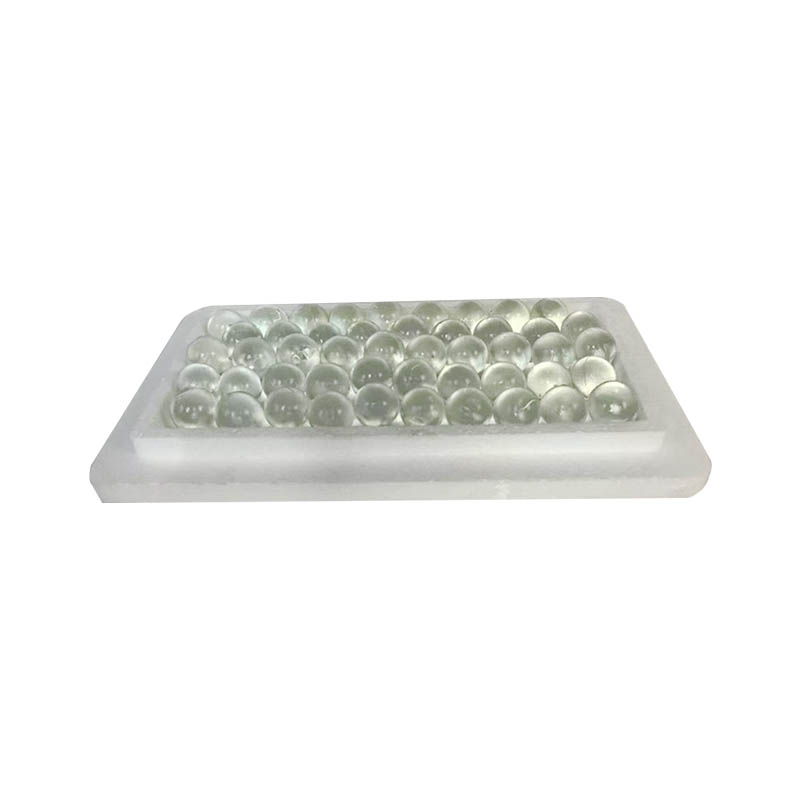
In modern air filtration technology, seemingly insignificant glass microfibers are actually a crucial barrier protecting clean air. These fine, high-performance microfibers originate from seemingly insignificant special glass balls. These small glass balls bear the core responsibility for determining the quality of the filter paper. Among these, the uniformity of composition is the key factor affecting the consistent performance of the final air filter paper.
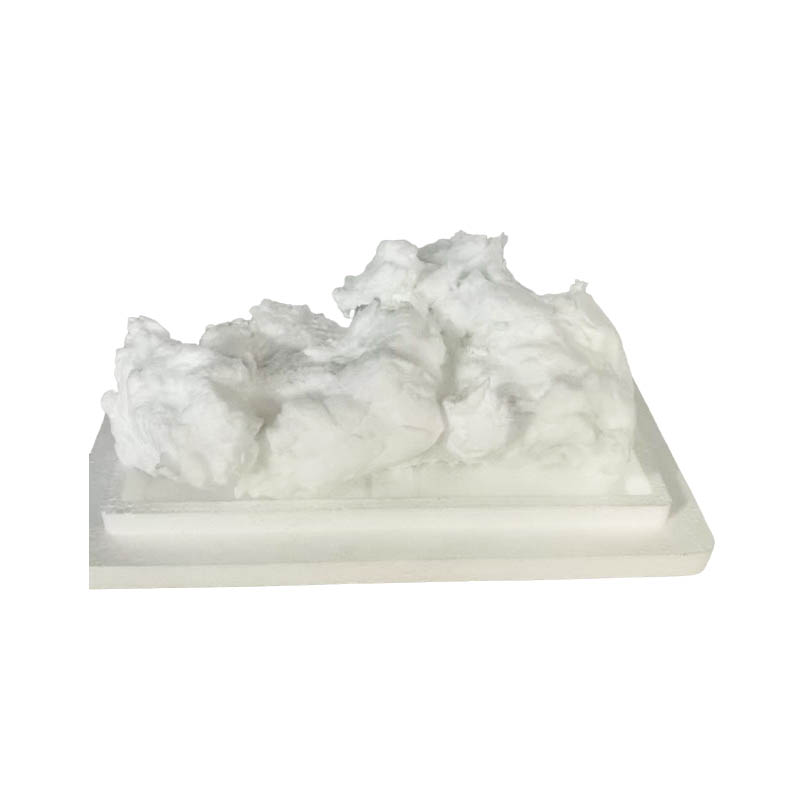
The manufacturing process of glass microfibers is essentially a precise "melt-draw" art. Special glass balls are melted at high temperatures and then stretched into ultra-fine fibers with a diameter of only a few micrometers under high-speed airflow or mechanical action. This process is extremely sensitive to the stability of the raw materials. If the chemical composition inside the glass balls is unevenly distributed—for example, a higher silicon content in some areas or an accumulation of alkali metals in others—it will lead to differences in local viscosity, surface tension, or melting point during melting. This microscopic "incoordination" directly interferes with the continuity and uniformity of fiber formation, causing some fibers to be too coarse and others too fine, or even resulting in broken fibers or clumping.
The filtration efficiency of air filter paper relies precisely on the high consistency of its microfiber network structure. Ideally, filter paper should be composed of uniformly sized, densely distributed fibers with controllable pore size to efficiently intercept particles while ensuring air permeability. If the fibers are of inconsistent size and disordered arrangement, the pore size distribution of the filter paper becomes chaotic: some areas are too dense, hindering airflow and increasing energy consumption; others are too loose, allowing harmful particles to easily penetrate. This performance fluctuation not only weakens filtration efficiency but may also shorten the filter cartridge's lifespan and even pose a hidden danger in critical applications such as medical, automotive engine, or cleanroom applications.
Furthermore, uneven composition can also lead to chemical stability issues. For example, localized impurity accumulation may accelerate aging in high-temperature or humid environments, causing the filter paper to release trace amounts of precipitates during use or undergo structural deterioration during long-term operation. This not only affects filtration efficiency but may also pose potential risks to the protected equipment or human health.
Therefore, high-quality specialty glass balls require strict control over raw material ratios and melting processes from the outset of production to ensure that each ball possesses a highly consistent chemical composition from the inside out. This "homogenization" is not only a fundamental requirement of materials science but also a prerequisite for the stable and reliable production of downstream products. Only when each glass ball is precisely replicated can a network of countless yet uniform microfibers be formed during melting and drawing, ultimately weaving a predictable and reliable air filter paper.
It is worth mentioning that this pursuit of uniformity also reflects the profound understanding of "source control" in high-end manufacturing. In the industrial chain, the further upstream the material, the more easily its minute deviations are amplified in subsequent processes. For this reason, responsible glass ball manufacturers often invest significant effort in optimizing furnace design, stirring processes, and cooling control, solely to deliver glass balls with "internal harmony."
Ultimately, the consistency of air filter paper is not accidental but stems from near-obsessive control over the basic materials. Those glass balls lying quietly in the raw material warehouse, though silent, silently provide a reliable guarantee for every clean breath with their inherent uniformity and purity. Achieving excellence in unseen places is precisely where the true value of high-end materials lies.
The manufacturing process of glass microfibers is essentially a precise "melt-draw" art. Special glass balls are melted at high temperatures and then stretched into ultra-fine fibers with a diameter of only a few micrometers under high-speed airflow or mechanical action. This process is extremely sensitive to the stability of the raw materials. If the chemical composition inside the glass balls is unevenly distributed—for example, a higher silicon content in some areas or an accumulation of alkali metals in others—it will lead to differences in local viscosity, surface tension, or melting point during melting. This microscopic "incoordination" directly interferes with the continuity and uniformity of fiber formation, causing some fibers to be too coarse and others too fine, or even resulting in broken fibers or clumping.
The filtration efficiency of air filter paper relies precisely on the high consistency of its microfiber network structure. Ideally, filter paper should be composed of uniformly sized, densely distributed fibers with controllable pore size to efficiently intercept particles while ensuring air permeability. If the fibers are of inconsistent size and disordered arrangement, the pore size distribution of the filter paper becomes chaotic: some areas are too dense, hindering airflow and increasing energy consumption; others are too loose, allowing harmful particles to easily penetrate. This performance fluctuation not only weakens filtration efficiency but may also shorten the filter cartridge's lifespan and even pose a hidden danger in critical applications such as medical, automotive engine, or cleanroom applications.
Furthermore, uneven composition can also lead to chemical stability issues. For example, localized impurity accumulation may accelerate aging in high-temperature or humid environments, causing the filter paper to release trace amounts of precipitates during use or undergo structural deterioration during long-term operation. This not only affects filtration efficiency but may also pose potential risks to the protected equipment or human health.
Therefore, high-quality specialty glass balls require strict control over raw material ratios and melting processes from the outset of production to ensure that each ball possesses a highly consistent chemical composition from the inside out. This "homogenization" is not only a fundamental requirement of materials science but also a prerequisite for the stable and reliable production of downstream products. Only when each glass ball is precisely replicated can a network of countless yet uniform microfibers be formed during melting and drawing, ultimately weaving a predictable and reliable air filter paper.
It is worth mentioning that this pursuit of uniformity also reflects the profound understanding of "source control" in high-end manufacturing. In the industrial chain, the further upstream the material, the more easily its minute deviations are amplified in subsequent processes. For this reason, responsible glass ball manufacturers often invest significant effort in optimizing furnace design, stirring processes, and cooling control, solely to deliver glass balls with "internal harmony."
Ultimately, the consistency of air filter paper is not accidental but stems from near-obsessive control over the basic materials. Those glass balls lying quietly in the raw material warehouse, though silent, silently provide a reliable guarantee for every clean breath with their inherent uniformity and purity. Achieving excellence in unseen places is precisely where the true value of high-end materials lies.