


How do special glass balls contribute to producing high-efficiency air filter paper?
Release Time : 2026-05-13
In the modern world, clean air is a fundamental necessity, whether in a high-tech semiconductor manufacturing plant, a sterile hospital operating room, or a residential home battling urban pollution. At the heart of the systems that provide this clean air lies a critical material: high-efficiency air filter paper. While the final product appears as a simple sheet of fibrous material, its ability to capture microscopic particles with incredible precision begins with a highly specialized raw material: special glass balls. These precisely engineered spheres are the foundational ingredient that makes advanced glass microfiber filtration possible.
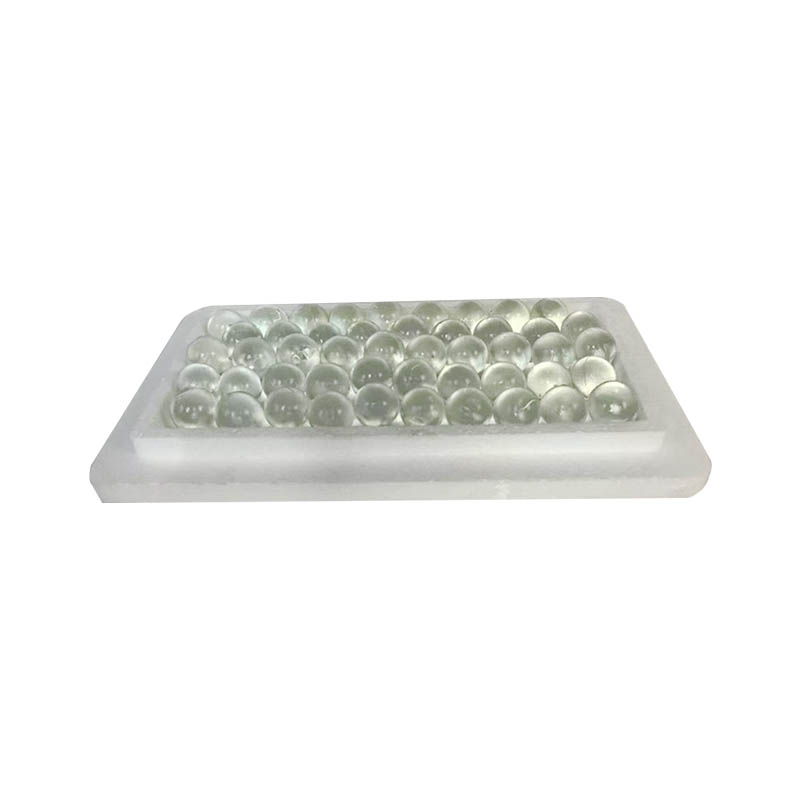
The journey from a solid glass ball to a high-performance filter begins with a sophisticated melting and fiberization process. These special glass balls are manufactured with a specific chemical composition, typically involving high-purity quartz sand, limestone, and other mineral additives. This precise formulation is crucial because it dictates the thermal and physical properties of the resulting fibers. In the manufacturing facility, the glass balls are melted down at extremely high temperatures. Once molten, they are subjected to high-velocity high-velocity gas streams or centrifugal force, which stretches the liquid glass into incredibly fine strands. This process transforms the solid spheres into glass microfibers with diameters often measuring less than 1 micron (one-millionth of a meter).
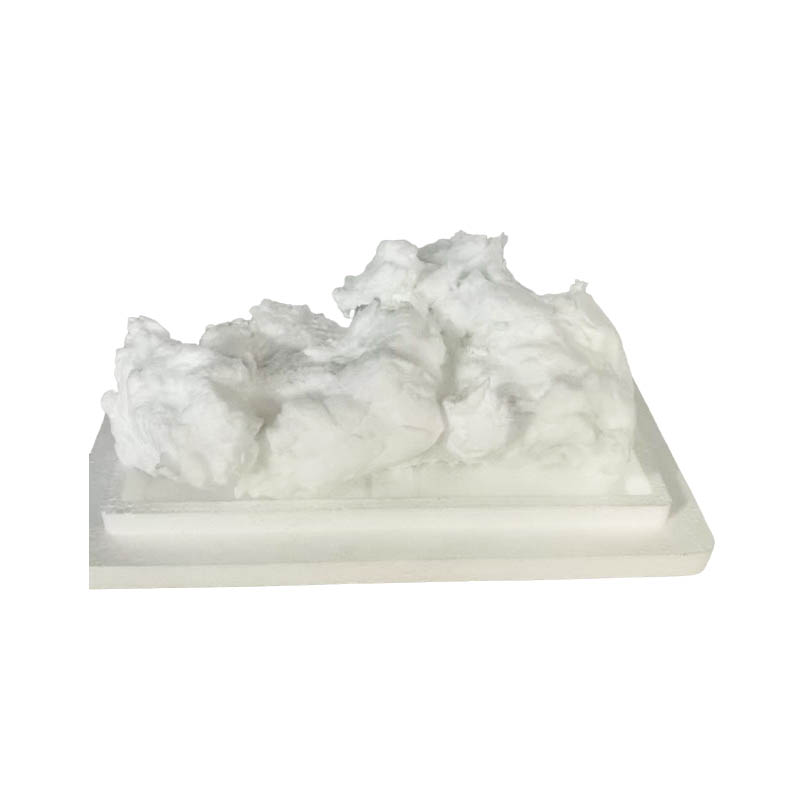
The primary contribution of these special glass balls to filter efficiency lies in the microscopic structure of the fibers they produce. Unlike natural cellulose fibers, which can be irregular in shape and thickness, the microfibers derived from these glass balls are exceptionally fine and uniform. When these microfibers are collected and processed into paper using a wet-laid method, they form a dense, random, and highly porous three-dimensional web. This intricate network creates a massive surface area relative to the paper's weight. It is this dense web of sub-micron fibers that allows the filter paper to trap particles as small as 0.3 microns—such as dust, pollen, bacteria, and viruses—with an efficiency rate often exceeding 99.97 percent.
Furthermore, the inherent physical properties of the glass material itself, inherited directly from the special glass balls, provide distinct advantages over traditional filter media. Glass microfibers possess excellent dimensional stability and resistance to moisture. Unlike paper filters that may swell, warp, or degrade in humid environments, glass fiber filters maintain their structural integrity. This ensures that the pore size within the filter remains consistent, preventing "bypass" where unfiltered air slips through enlarged gaps. Additionally, glass fibers are naturally resistant to many chemicals and can withstand significantly higher temperatures, making them suitable for harsh industrial environments where standard filters would fail.
The quality and consistency of the initial glass balls are paramount to the final performance of the air filter. Any impurities or inconsistencies in the glass composition could lead to weak points in the microfibers, causing them to break during the manufacturing process or under the pressure of high air velocity. High-quality special glass balls ensure that the resulting microfibers have high tensile strength. This durability allows the filter paper to withstand the constant push and pull of airflow without shedding fibers into the clean air stream, a critical requirement for HEPA (High-Efficiency Particulate Air) and ULPA (Ultra-Low Penetration Air) filters used in sensitive environments.
Ultimately, special glass balls are far more than just raw material; they are the technological key to modern air purification. By providing the precise chemical and physical foundation needed to create ultra-fine, durable, and stable microfibers, these glass spheres enable the production of filter paper that protects human health, safeguards precision industrial processes, and ensures environmental compliance. The next time clean air circulates through a room, it is the invisible legacy of these microscopic glass spheres doing their job.
The journey from a solid glass ball to a high-performance filter begins with a sophisticated melting and fiberization process. These special glass balls are manufactured with a specific chemical composition, typically involving high-purity quartz sand, limestone, and other mineral additives. This precise formulation is crucial because it dictates the thermal and physical properties of the resulting fibers. In the manufacturing facility, the glass balls are melted down at extremely high temperatures. Once molten, they are subjected to high-velocity high-velocity gas streams or centrifugal force, which stretches the liquid glass into incredibly fine strands. This process transforms the solid spheres into glass microfibers with diameters often measuring less than 1 micron (one-millionth of a meter).
The primary contribution of these special glass balls to filter efficiency lies in the microscopic structure of the fibers they produce. Unlike natural cellulose fibers, which can be irregular in shape and thickness, the microfibers derived from these glass balls are exceptionally fine and uniform. When these microfibers are collected and processed into paper using a wet-laid method, they form a dense, random, and highly porous three-dimensional web. This intricate network creates a massive surface area relative to the paper's weight. It is this dense web of sub-micron fibers that allows the filter paper to trap particles as small as 0.3 microns—such as dust, pollen, bacteria, and viruses—with an efficiency rate often exceeding 99.97 percent.
Furthermore, the inherent physical properties of the glass material itself, inherited directly from the special glass balls, provide distinct advantages over traditional filter media. Glass microfibers possess excellent dimensional stability and resistance to moisture. Unlike paper filters that may swell, warp, or degrade in humid environments, glass fiber filters maintain their structural integrity. This ensures that the pore size within the filter remains consistent, preventing "bypass" where unfiltered air slips through enlarged gaps. Additionally, glass fibers are naturally resistant to many chemicals and can withstand significantly higher temperatures, making them suitable for harsh industrial environments where standard filters would fail.
The quality and consistency of the initial glass balls are paramount to the final performance of the air filter. Any impurities or inconsistencies in the glass composition could lead to weak points in the microfibers, causing them to break during the manufacturing process or under the pressure of high air velocity. High-quality special glass balls ensure that the resulting microfibers have high tensile strength. This durability allows the filter paper to withstand the constant push and pull of airflow without shedding fibers into the clean air stream, a critical requirement for HEPA (High-Efficiency Particulate Air) and ULPA (Ultra-Low Penetration Air) filters used in sensitive environments.
Ultimately, special glass balls are far more than just raw material; they are the technological key to modern air purification. By providing the precise chemical and physical foundation needed to create ultra-fine, durable, and stable microfibers, these glass spheres enable the production of filter paper that protects human health, safeguards precision industrial processes, and ensures environmental compliance. The next time clean air circulates through a room, it is the invisible legacy of these microscopic glass spheres doing their job.