


Can Glass Balls Improve Air Filtration Efficiency?
Release Time : 2026-06-02
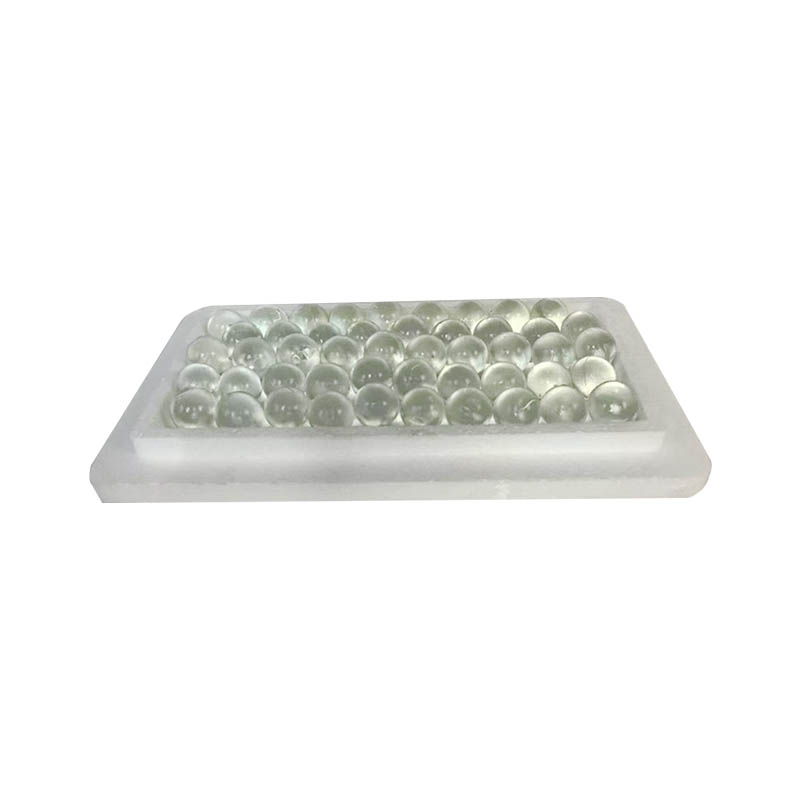
Glass balls play a highly specialized and critical role in the realm of air filtration technology. While they do not act as the final filter medium themselves, they serve as the essential raw material precursor for producing high-performance glass microfibers. These microfibers are the fundamental building blocks of advanced air filter papers used in hospitals, cleanrooms, and industrial facilities. The journey from a solid glass ball to an ultra-efficient air filter is a fascinating process of material science that directly dictates the quality, safety, and efficiency of modern air purification systems.
The production of superior air filter paper begins with specific glass balls composed of carefully formulated ingredients such as quartz sand, feldspar, and boric acid. These raw materials are melted down at extremely high temperatures. Through a sophisticated manufacturing technique involving high-velocity hot air streams, the molten glass is drawn out and blown into incredibly fine strands known as glass microfibers. These resulting fibers typically have an average diameter of no more than 4.5 microns. The inherent properties of the original glass balls—such as their chemical stability, thermal resistance, and structural integrity—are perfectly preserved and transferred into these microscopic fibers, making them exceptionally durable and reliable for demanding filtration tasks.
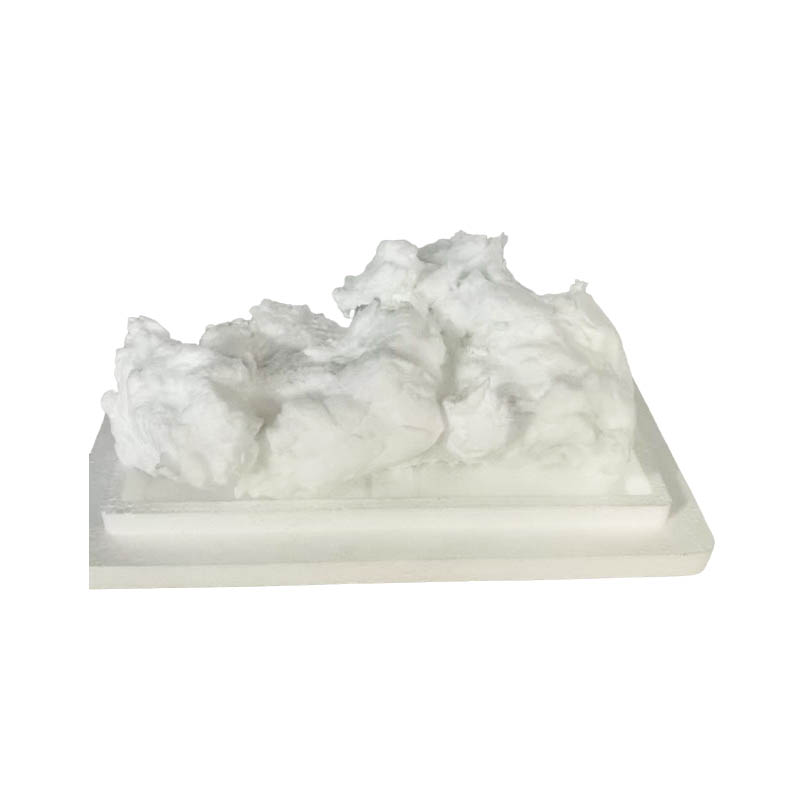
Once formed, these glass microfibers are processed using either wet or dry methods to create a non-woven felt or mat. This fibrous mat possesses a unique physical structure characterized by a very high porosity and extremely small pore sizes. It is this intricate web of tiny, overlapping fibers that grants the filter paper its remarkable ability to trap contaminants. Unlike standard filters that might rely on simple mechanical sieving, glass microfiber filters utilize a combination of interception, impaction, and diffusion to capture particles. This allows them to achieve extraordinary filtration efficiencies. For instance, high-quality glass fiber air filters can capture 99.97% of particles as small as 0.3 microns. Their effectiveness against larger particles, such as the 1 to 5-micron aerosol droplets that often carry viruses and bacteria, is even higher.
The impact of this technology became profoundly evident during global health crises. In medical environments where preventing cross-infection and maintaining high air cleanliness are absolute priorities, filters made from these glass microfibers became indispensable. Viruses often travel via respiratory droplets and form aerosols; the dense yet porous network of the glass microfiber mat acts as a formidable barrier against these airborne threats. By effectively removing these hazardous particulates from ventilation systems, glass microfiber filters significantly reduce the risk of airborne disease transmission, protecting both patients and healthcare workers. Consequently, this material has become a standard component in High-Efficiency Particulate Air (HEPA) and Ultra-Low Penetration Air (ULPA) filters found in operating rooms, pharmaceutical labs, and semiconductor manufacturing plants.
Beyond just capturing dust and pathogens, the use of glass balls as a base material offers distinct operational advantages. Filters derived from this material exhibit excellent thermal stability and chemical resistance, allowing them to function reliably in extreme temperatures or corrosive environments where synthetic polymer filters might degrade or fail. Furthermore, the smooth surface and rigid structure of the glass fibers help manage airflow resistance. While they provide deep filtration capabilities, they can be engineered to maintain acceptable pressure drops across the system, which reduces the energy load on fans and HVAC systems. This balance between high-efficiency particle capture and energy conservation makes them a sustainable choice for large-scale air purification infrastructure.
In conclusion, glass balls are far more than simple spherical objects; they are the vital starting point for a life-saving filtration technology. By being transformed into high-performance glass microfibers, they enable the creation of air filter papers that set the gold standard for purity and safety. From safeguarding hospital air quality to ensuring the precision of scientific research, the journey from a raw glass ball to a finished HEPA filter underscores the profound impact that specialized materials have on public health and industrial progress.