


How do glass balls contribute to the production of glass microfiber for air filter paper?
Release Time : 2026-07-23
Glass balls serve as the fundamental raw material and vital precursor in the manufacturing of glass microfiber, which is the core component of high-performance air filter paper. The transformation of these solid glass spheres into ultra-fine, high-efficiency filtration media is a sophisticated industrial process that relies heavily on the specific chemical composition and physical properties of the glass balls.
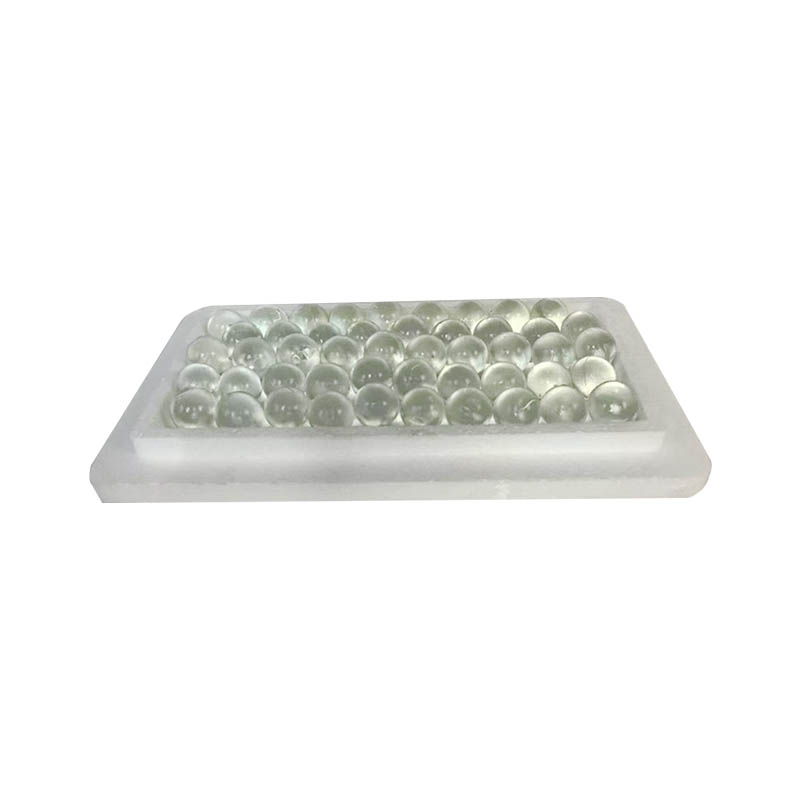
The production begins with the selection of specialized glass balls, which are typically composed of carefully formulated mixtures of quartz sand, feldspar, boric acid, and other mineral components. These raw materials are melted at extremely high temperatures to form homogeneous glass spheres. The specific chemical formulation of these glass balls is critical, as it determines the final properties of the microfibers, including chemical stability, thermal resistance, and mechanical strength. For air filtration applications, the glass balls must be manufactured with exceptional purity and consistency to ensure that the resulting fibers can withstand harsh environments and maintain their structural integrity.
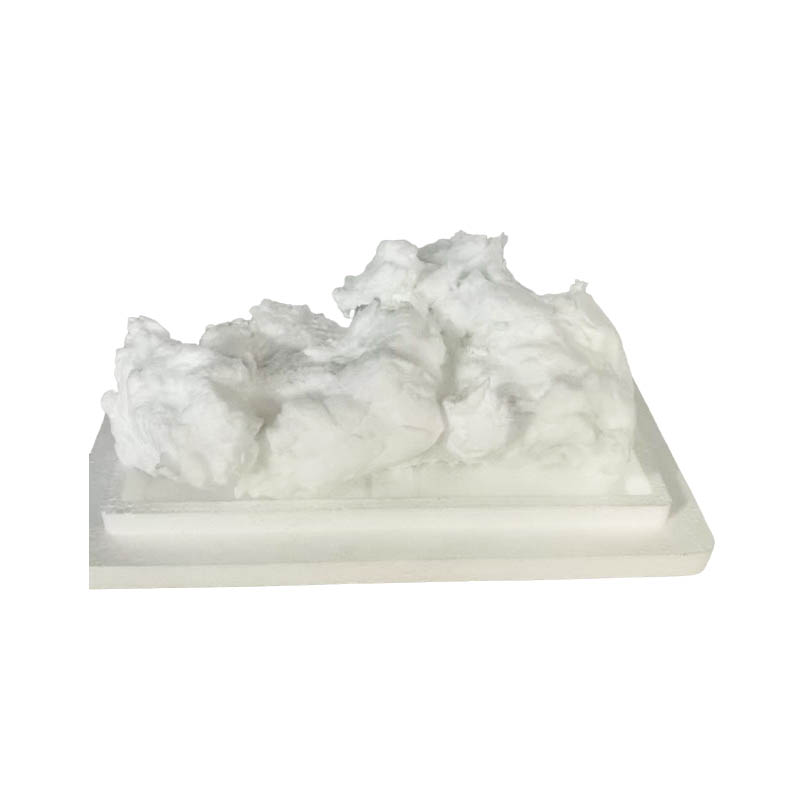
Once the glass balls are prepared, they are fed into a high-temperature melting furnace where they are heated until they reach a molten state. This molten glass is then subjected to a high-velocity air stream or a specialized centrifugal spinning process. The intense kinetic energy of the blowing air or the mechanical force of the spinneret draws the molten glass outward, stretching it into continuous filaments of microscopic proportions. Through this process, the solid glass balls are transformed into glass microfibers with an average diameter of no more than 4.5 micrometers. This extreme fineness is what gives the resulting filter paper its exceptional performance characteristics.
The microfibers produced from these glass balls are then collected and formed into a non-woven mat using either wet-laid or dry-laid papermaking techniques. The small diameter and random orientation of the fibers create a highly porous structure with extremely fine pore sizes. This intricate network acts as a highly efficient mechanical barrier against airborne contaminants. When used in air filter paper, this microfiber mat can capture particles as small as 0.3 micrometers with an efficiency of up to 99.97%, and even higher efficiency for larger particles such as virus-carrying aerosols.
Furthermore, the use of glass balls as the base material imparts several advantageous properties to the final filter paper. The resulting glass microfibers are inherently inorganic, making the filter paper non-combustible, highly resistant to chemical corrosion, and capable of withstanding high temperatures without degrading. The fibers also exhibit low moisture absorption and excellent dimensional stability, ensuring that the filter maintains its shape and filtration efficiency even in high-humidity environments.
In summary, glass balls are not merely a raw material but the foundational element that dictates the quality and performance of glass microfiber air filters. Through precise chemical formulation and advanced high-temperature spinning technologies, these solid spheres are converted into ultra-fine fibers that form the backbone of modern air purification systems. Without the consistent quality and specialized composition of these glass balls, the production of high-efficiency HEPA and ULPA filters would not be possible, underscoring their indispensable role in protecting air quality across medical, industrial, and residential applications.
The production begins with the selection of specialized glass balls, which are typically composed of carefully formulated mixtures of quartz sand, feldspar, boric acid, and other mineral components. These raw materials are melted at extremely high temperatures to form homogeneous glass spheres. The specific chemical formulation of these glass balls is critical, as it determines the final properties of the microfibers, including chemical stability, thermal resistance, and mechanical strength. For air filtration applications, the glass balls must be manufactured with exceptional purity and consistency to ensure that the resulting fibers can withstand harsh environments and maintain their structural integrity.
Once the glass balls are prepared, they are fed into a high-temperature melting furnace where they are heated until they reach a molten state. This molten glass is then subjected to a high-velocity air stream or a specialized centrifugal spinning process. The intense kinetic energy of the blowing air or the mechanical force of the spinneret draws the molten glass outward, stretching it into continuous filaments of microscopic proportions. Through this process, the solid glass balls are transformed into glass microfibers with an average diameter of no more than 4.5 micrometers. This extreme fineness is what gives the resulting filter paper its exceptional performance characteristics.
The microfibers produced from these glass balls are then collected and formed into a non-woven mat using either wet-laid or dry-laid papermaking techniques. The small diameter and random orientation of the fibers create a highly porous structure with extremely fine pore sizes. This intricate network acts as a highly efficient mechanical barrier against airborne contaminants. When used in air filter paper, this microfiber mat can capture particles as small as 0.3 micrometers with an efficiency of up to 99.97%, and even higher efficiency for larger particles such as virus-carrying aerosols.
Furthermore, the use of glass balls as the base material imparts several advantageous properties to the final filter paper. The resulting glass microfibers are inherently inorganic, making the filter paper non-combustible, highly resistant to chemical corrosion, and capable of withstanding high temperatures without degrading. The fibers also exhibit low moisture absorption and excellent dimensional stability, ensuring that the filter maintains its shape and filtration efficiency even in high-humidity environments.
In summary, glass balls are not merely a raw material but the foundational element that dictates the quality and performance of glass microfiber air filters. Through precise chemical formulation and advanced high-temperature spinning technologies, these solid spheres are converted into ultra-fine fibers that form the backbone of modern air purification systems. Without the consistent quality and specialized composition of these glass balls, the production of high-efficiency HEPA and ULPA filters would not be possible, underscoring their indispensable role in protecting air quality across medical, industrial, and residential applications.