


How do specialized glass balls lay the microscopic foundation for high-efficiency air filtration materials?
Release Time : 2026-06-29
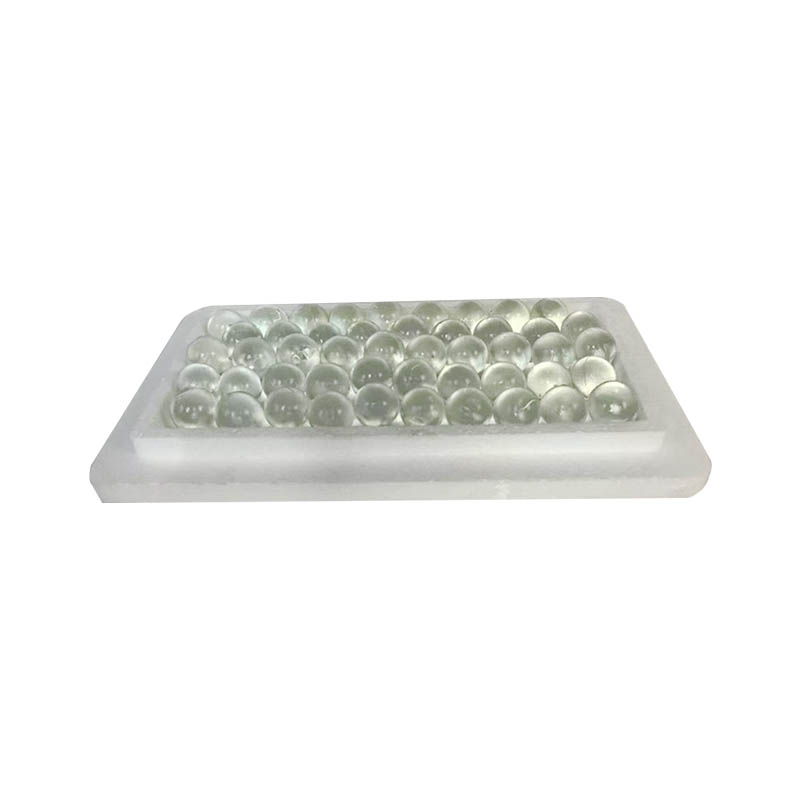
Against the backdrop of an increasingly urgent need for clean air in modern industry and daily life, high-efficiency air filtration materials serve as vital guardians. Behind this invisible line of defense against airborne impurities, specialized glass balls—seemingly unassuming—act as the core building blocks of the microscopic filtration world thanks to their unique physicochemical properties. These specialized glass balls, used to produce glass microfibers for air filtration paper, are far from ordinary glass products; they are functional materials created through precise formulation and rigorous melting processes. Composed primarily of materials such as quartz sand, feldspar, and boric acid, they are melted at high temperatures into a homogeneous glass melt with optimal viscosity before being processed into glass balls of specific specifications. Serving as an intermediate raw material, these glass balls shoulder the critical task of transforming macroscopic minerals into microscopic fibers, thereby laying a solid material foundation for the subsequent production of filtration media capable of capturing particles at the micron or even nanometer scale.
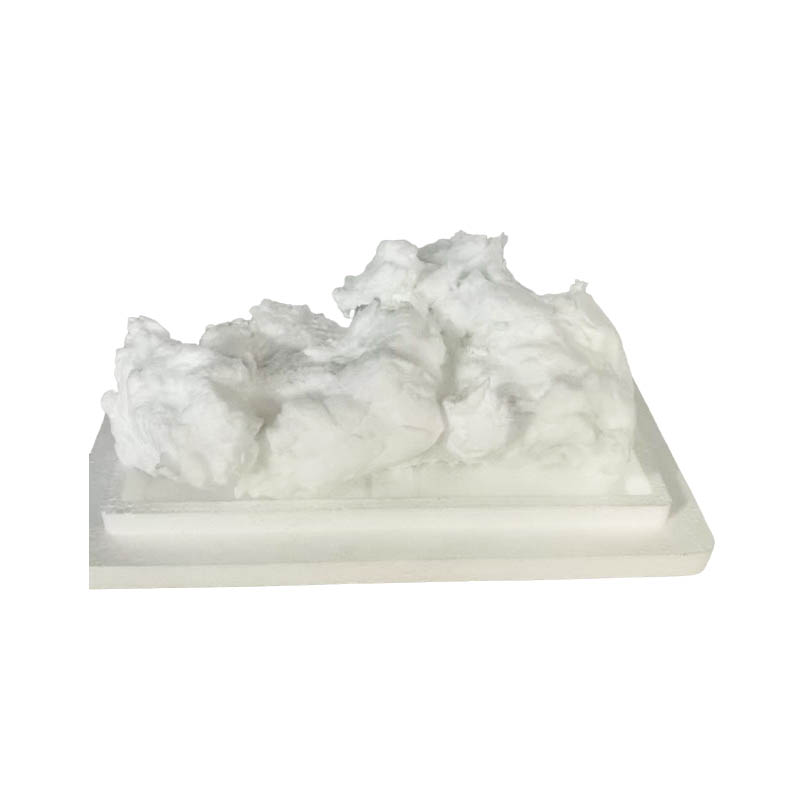
Transforming solid, specialized glass balls into glass microfibers with an average diameter of no more than 4.5 microns represents an extraordinary physical metamorphosis that bridges the macroscopic and microscopic realms. This process typically employs advanced techniques such as flame attenuation or centrifugal spinning; the glass balls are remelted at high temperatures and then drawn or blown into extremely fine fibers by high-speed airflow or centrifugal force. These microfibers possess high porosity and small pore sizes, creating an intricate, uniformly distributed, three-dimensional network structure. It is precisely this microstructure—derived from the specialized glass balls—that endows the finished air filtration paper with exceptional particle-trapping capabilities. As air laden with dust, bacteria, or viral aerosols passes through this dense fiber network, particles are effectively captured by the fiber surfaces, achieving superior filtration of airborne pollutants. This morphological transformation from glass balls to microfibers not only exemplifies the sophistication of materials science but also showcases human ingenuity in leveraging microscopic structures to alter macroscopic performance. Derived from specialized glass spheres, glass microfiber filter paper—thanks to its exceptional physical and chemical properties—demonstrates irreplaceable advantages in numerous fields with extremely rigorous filtration requirements. First, glass microfibers possess outstanding high-temperature resistance, capable of withstanding environments reaching hundreds of degrees Celsius; this enables filters made from them to operate stably over the long term under extreme conditions, such as industrial exhaust treatment and high-temperature drying equipment. Second, as an inorganic non-metallic material, glass is inherently highly resistant to acid and alkali corrosion, maintaining structural integrity and filtration efficiency even in complex chemical environments like those found in chemical manufacturing. Furthermore, in the realms of medical protection and biosafety, these high-efficiency air filters exhibit superior capture rates for minute particles, effectively blocking virus-laden aerosol droplets and significantly reducing the risk of cross-infection. It is precisely these exceptional performance characteristics—rooted in the intrinsic nature of the specialized glass spheres—that make the material a vital barrier for safeguarding industrial safety and human health.
As global demands for environmental protection, green building, and precision manufacturing continue to rise, glass microfiber filter media derived from specialized glass spheres are encountering unprecedented opportunities for growth. In the air purification sector—ranging from household air purifiers to the high-grade cleanrooms required by the semiconductor and pharmaceutical industries—requirements for air filtration media are shifting toward greater efficiency, stability, and environmental friendliness. With their high dust-holding capacity, low operating resistance, and long service life, specialized glass microfiber filter papers have become key materials for achieving ultra-low industrial dust emissions and precise control of clean environments. Simultaneously, this microfiber material shows promising application prospects in emerging high-efficiency, energy-saving fields, such as separators for energy-storage batteries and vacuum insulation panels. From the humble specialized glass sphere to filtration systems that protect our blue skies, and onward to clean environments that empower high-end manufacturing, this fundamental material is continually expanding its scope of application, contributing an indispensable force to the advancement of green, sustainable development and technological progress.
Transforming solid, specialized glass balls into glass microfibers with an average diameter of no more than 4.5 microns represents an extraordinary physical metamorphosis that bridges the macroscopic and microscopic realms. This process typically employs advanced techniques such as flame attenuation or centrifugal spinning; the glass balls are remelted at high temperatures and then drawn or blown into extremely fine fibers by high-speed airflow or centrifugal force. These microfibers possess high porosity and small pore sizes, creating an intricate, uniformly distributed, three-dimensional network structure. It is precisely this microstructure—derived from the specialized glass balls—that endows the finished air filtration paper with exceptional particle-trapping capabilities. As air laden with dust, bacteria, or viral aerosols passes through this dense fiber network, particles are effectively captured by the fiber surfaces, achieving superior filtration of airborne pollutants. This morphological transformation from glass balls to microfibers not only exemplifies the sophistication of materials science but also showcases human ingenuity in leveraging microscopic structures to alter macroscopic performance. Derived from specialized glass spheres, glass microfiber filter paper—thanks to its exceptional physical and chemical properties—demonstrates irreplaceable advantages in numerous fields with extremely rigorous filtration requirements. First, glass microfibers possess outstanding high-temperature resistance, capable of withstanding environments reaching hundreds of degrees Celsius; this enables filters made from them to operate stably over the long term under extreme conditions, such as industrial exhaust treatment and high-temperature drying equipment. Second, as an inorganic non-metallic material, glass is inherently highly resistant to acid and alkali corrosion, maintaining structural integrity and filtration efficiency even in complex chemical environments like those found in chemical manufacturing. Furthermore, in the realms of medical protection and biosafety, these high-efficiency air filters exhibit superior capture rates for minute particles, effectively blocking virus-laden aerosol droplets and significantly reducing the risk of cross-infection. It is precisely these exceptional performance characteristics—rooted in the intrinsic nature of the specialized glass spheres—that make the material a vital barrier for safeguarding industrial safety and human health.
As global demands for environmental protection, green building, and precision manufacturing continue to rise, glass microfiber filter media derived from specialized glass spheres are encountering unprecedented opportunities for growth. In the air purification sector—ranging from household air purifiers to the high-grade cleanrooms required by the semiconductor and pharmaceutical industries—requirements for air filtration media are shifting toward greater efficiency, stability, and environmental friendliness. With their high dust-holding capacity, low operating resistance, and long service life, specialized glass microfiber filter papers have become key materials for achieving ultra-low industrial dust emissions and precise control of clean environments. Simultaneously, this microfiber material shows promising application prospects in emerging high-efficiency, energy-saving fields, such as separators for energy-storage batteries and vacuum insulation panels. From the humble specialized glass sphere to filtration systems that protect our blue skies, and onward to clean environments that empower high-end manufacturing, this fundamental material is continually expanding its scope of application, contributing an indispensable force to the advancement of green, sustainable development and technological progress.