


How can glass balls improve the uniformity and fineness of glass microfibers by optimizing melt flow properties?
Release Time : 2026-07-08
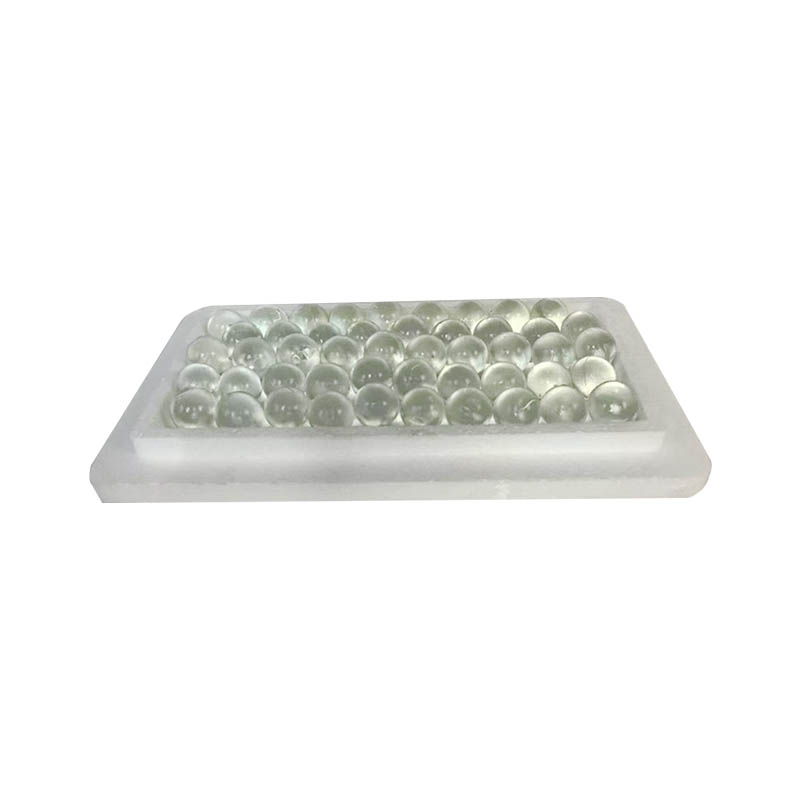
Glass balls are a crucial raw material for producing glass microfibers for air filter paper. Their quality directly affects the glass melting process and the final performance of the glass microfibers. Air filter paper is widely used in HEPA filters, industrial dust removal, medical purification, automotive air filtration, and cleanrooms, all of which place high demands on the fineness, uniformity, and stability of glass microfibers. To obtain high-quality glass microfibers, glass balls not only need stable chemical composition and high purity but also excellent melt flow properties.
1. Stabilizing Melt Flow Improves Fiber Uniformity
After being melted at high temperatures, glass balls form a glass melt. The melt flow properties directly affect the glass microfiber drawing process. Unstable melt flow can easily lead to uneven fiber thickness, fiber breakage, or fluctuations in fiber diameter, affecting filter paper performance. By optimizing the chemical composition of glass balls, maintaining a uniform and stable melt flow at a suitable temperature ensures that the molten glass continuously and smoothly enters the fiber-forming process, improving the consistency of glass microfiber diameter and resulting in a more uniform fiber structure in the produced filter material.
2. Optimized Formula to Improve Glass Microfiber Fineness
Air filtration materials require high-precision glass microfiber diameters. Fineer fibers generally facilitate the formation of a dense and uniform filter layer, improving filtration efficiency. By rationally adjusting the raw material ratio and glass composition, glass balls can improve melt viscosity, making it easier to draw molten glass into ultrafine fibers. Simultaneously, stable melting properties reduce fluctuations caused by viscosity changes during fiber drawing, ensuring high fineness and consistency of the glass microfibers, providing a high-quality fiber foundation for high-efficiency filtration materials.
3. High-Purity Raw Materials Ensure Stable Product Quality
Impurity in glass balls affects melt flow properties and fiber quality, potentially causing production problems such as clogging and fiber breakage. Using high-purity raw materials effectively reduces the impact of impurities on melt stability, ensuring uniform melting of the molten glass and reducing defect rates during production. Furthermore, stable chemical composition improves the consistency between different batches, ensuring stable strength, fineness, and filtration performance of the glass microfibers, providing a reliable guarantee for large-scale production of air filter paper.
4. Enhancing the Overall Performance of Filter Materials
Uniform and appropriately fine glass microfibers not only improve the filtration efficiency of air filter paper but also enhance its permeability and mechanical strength. Optimized melt flow properties result in a more uniform arrangement of glass microfibers, effectively reducing pore size fluctuations within the filter media and allowing for smoother airflow, thus reducing air resistance while maintaining high filtration efficiency. Furthermore, the uniform fiber structure improves the overall strength and durability of the filter paper, extending the service life of the filter material and meeting the demands of high-performance filtration products in industries such as medical, electronics, and industry.
5. Driving the Sustainable Development of High-Performance Filter Materials
With the rapid development of industries such as air purification, industrial environmental protection, and clean manufacturing, the market has placed higher demands on high-quality glass microfiber materials. Glass balls, by optimizing melt flow properties, improving fiber formation stability, and increasing fiber fineness, not only enhance the filtration performance of air filter paper but also improve production efficiency and product consistency. In the future, with the continuous optimization of glass material formulations and the upgrading of melting technology and automated manufacturing processes, glass balls will play an even more important role in the field of high-efficiency air filtration materials, providing solid material support for the development of green manufacturing and air purification technologies.
In summary, glass balls improve the uniformity and fineness of glass microfibers by optimizing melt flow properties, and play an important role in stabilizing fiber formation, improving filtration efficiency, enhancing material properties, and ensuring consistency in mass production, thus providing a high-quality and reliable raw material foundation for the manufacture of high-performance air filter paper.
1. Stabilizing Melt Flow Improves Fiber Uniformity
After being melted at high temperatures, glass balls form a glass melt. The melt flow properties directly affect the glass microfiber drawing process. Unstable melt flow can easily lead to uneven fiber thickness, fiber breakage, or fluctuations in fiber diameter, affecting filter paper performance. By optimizing the chemical composition of glass balls, maintaining a uniform and stable melt flow at a suitable temperature ensures that the molten glass continuously and smoothly enters the fiber-forming process, improving the consistency of glass microfiber diameter and resulting in a more uniform fiber structure in the produced filter material.
2. Optimized Formula to Improve Glass Microfiber Fineness
Air filtration materials require high-precision glass microfiber diameters. Fineer fibers generally facilitate the formation of a dense and uniform filter layer, improving filtration efficiency. By rationally adjusting the raw material ratio and glass composition, glass balls can improve melt viscosity, making it easier to draw molten glass into ultrafine fibers. Simultaneously, stable melting properties reduce fluctuations caused by viscosity changes during fiber drawing, ensuring high fineness and consistency of the glass microfibers, providing a high-quality fiber foundation for high-efficiency filtration materials.
3. High-Purity Raw Materials Ensure Stable Product Quality
Impurity in glass balls affects melt flow properties and fiber quality, potentially causing production problems such as clogging and fiber breakage. Using high-purity raw materials effectively reduces the impact of impurities on melt stability, ensuring uniform melting of the molten glass and reducing defect rates during production. Furthermore, stable chemical composition improves the consistency between different batches, ensuring stable strength, fineness, and filtration performance of the glass microfibers, providing a reliable guarantee for large-scale production of air filter paper.
4. Enhancing the Overall Performance of Filter Materials
Uniform and appropriately fine glass microfibers not only improve the filtration efficiency of air filter paper but also enhance its permeability and mechanical strength. Optimized melt flow properties result in a more uniform arrangement of glass microfibers, effectively reducing pore size fluctuations within the filter media and allowing for smoother airflow, thus reducing air resistance while maintaining high filtration efficiency. Furthermore, the uniform fiber structure improves the overall strength and durability of the filter paper, extending the service life of the filter material and meeting the demands of high-performance filtration products in industries such as medical, electronics, and industry.
5. Driving the Sustainable Development of High-Performance Filter Materials
With the rapid development of industries such as air purification, industrial environmental protection, and clean manufacturing, the market has placed higher demands on high-quality glass microfiber materials. Glass balls, by optimizing melt flow properties, improving fiber formation stability, and increasing fiber fineness, not only enhance the filtration performance of air filter paper but also improve production efficiency and product consistency. In the future, with the continuous optimization of glass material formulations and the upgrading of melting technology and automated manufacturing processes, glass balls will play an even more important role in the field of high-efficiency air filtration materials, providing solid material support for the development of green manufacturing and air purification technologies.
In summary, glass balls improve the uniformity and fineness of glass microfibers by optimizing melt flow properties, and play an important role in stabilizing fiber formation, improving filtration efficiency, enhancing material properties, and ensuring consistency in mass production, thus providing a high-quality and reliable raw material foundation for the manufacture of high-performance air filter paper.